


• About Us
  • Products
    • ArboliteArbolite
    • PelletsPellets
    • PalletsPallets
    • LiningLining
    • MoldingsMoldings
  • News
  • Scientific activity
    • LaboratoryLaboratory
    • Innovative projectsInnovative projects
    • PatentsPatents
    • ArticlesArticles
  • Contacts
  • About Us
  • Products
    • ArboliteArbolite
    • PelletsPellets
    • PalletsPallets
    • LiningLining
    • MoldingsMoldings
  • News
  • Scientific activity
    • LaboratoryLaboratory
    • Innovative projectsInnovative projects
    • PatentsPatents
    • ArticlesArticles
  • Contacts
Almaty, st. Shevchenko, 29,
office 327
+7 (727) 290 59 76
urban_group@bk.ru

Select your language

  • Қаз
  • Рус
  • Eng
slide1.webp
PELLETS

High quality wood pellets
Order now

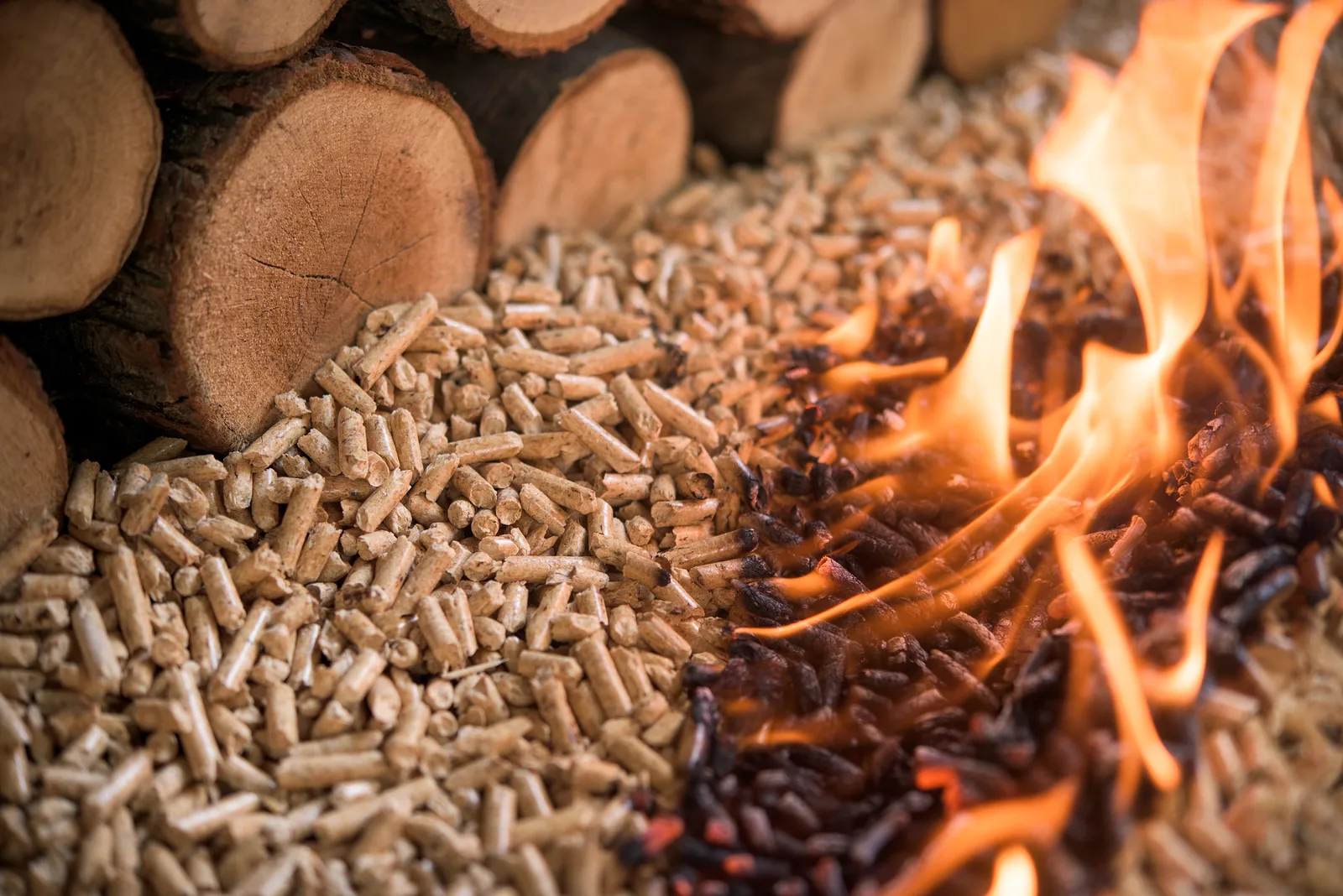
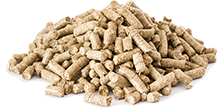
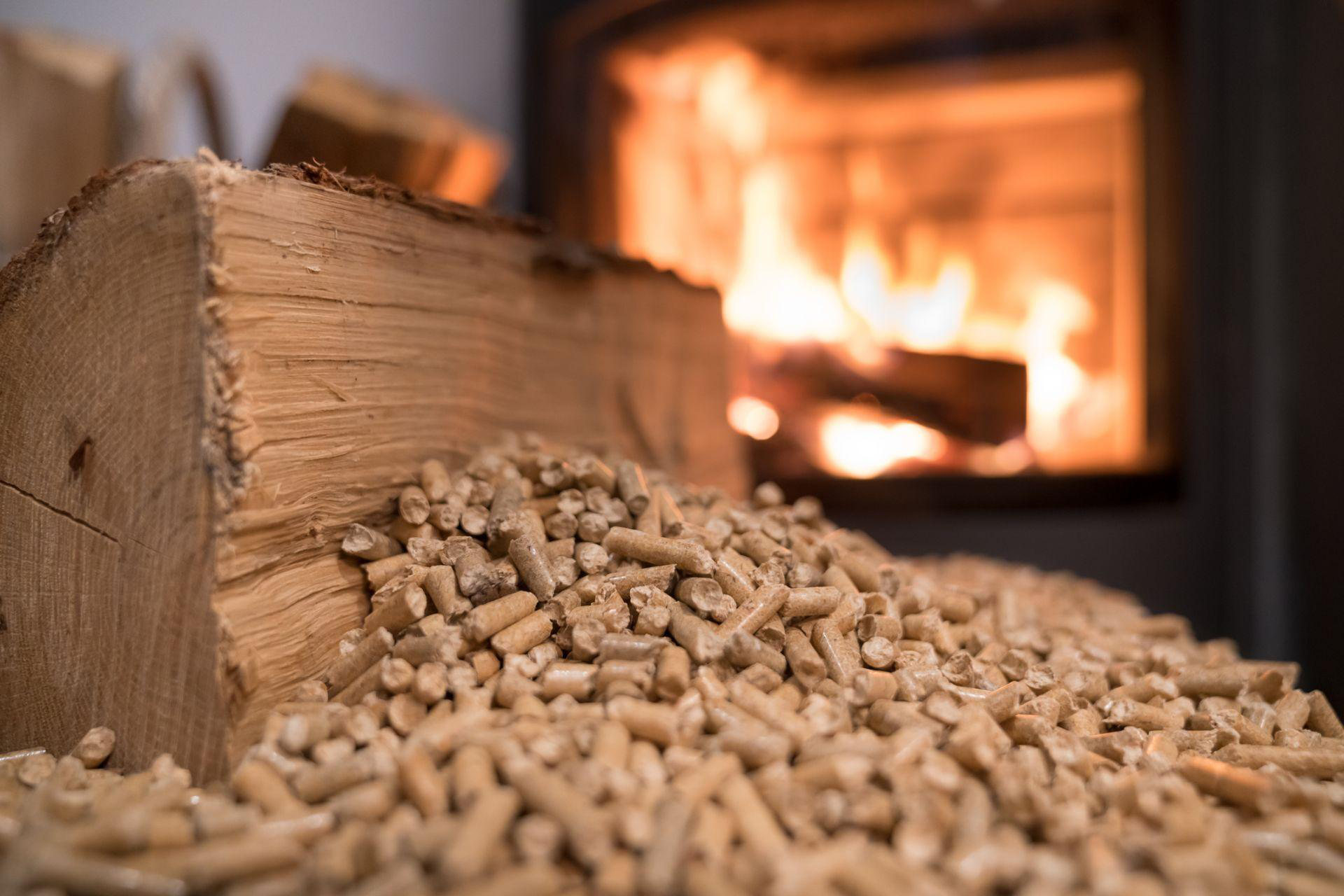
Pellets are a type of solid fuel made from compressed organic material.

Wood pellets are the most common type of pellet fuel and are typically made from compressed sawdust and related industrial waste from lumber milling, wood product and furniture manufacturing, and construction.

The pellets have a very dense structure and can be produced with low moisture content (less than 10%), which allows them to be burned with very high efficiency.

Price: from 1 000 tenge per kg

Own production

The raw material (sawdust, bark, etc.) is fed to a crusher, where it is ground to flour. The resulting mass is fed to a dryer, from which it is fed to a pellet press , where the wood flour is compressed into granules. Compression during pressing increases the temperature of the material, the lignin contained in the wood softens and glues the particles into dense cylinders.

The production of one ton of pellets requires about 2.3-2.6 dense cubic meters of wood waste, plus 0.6 dense cubic meters of sawdust is burned for each ton of produced product.

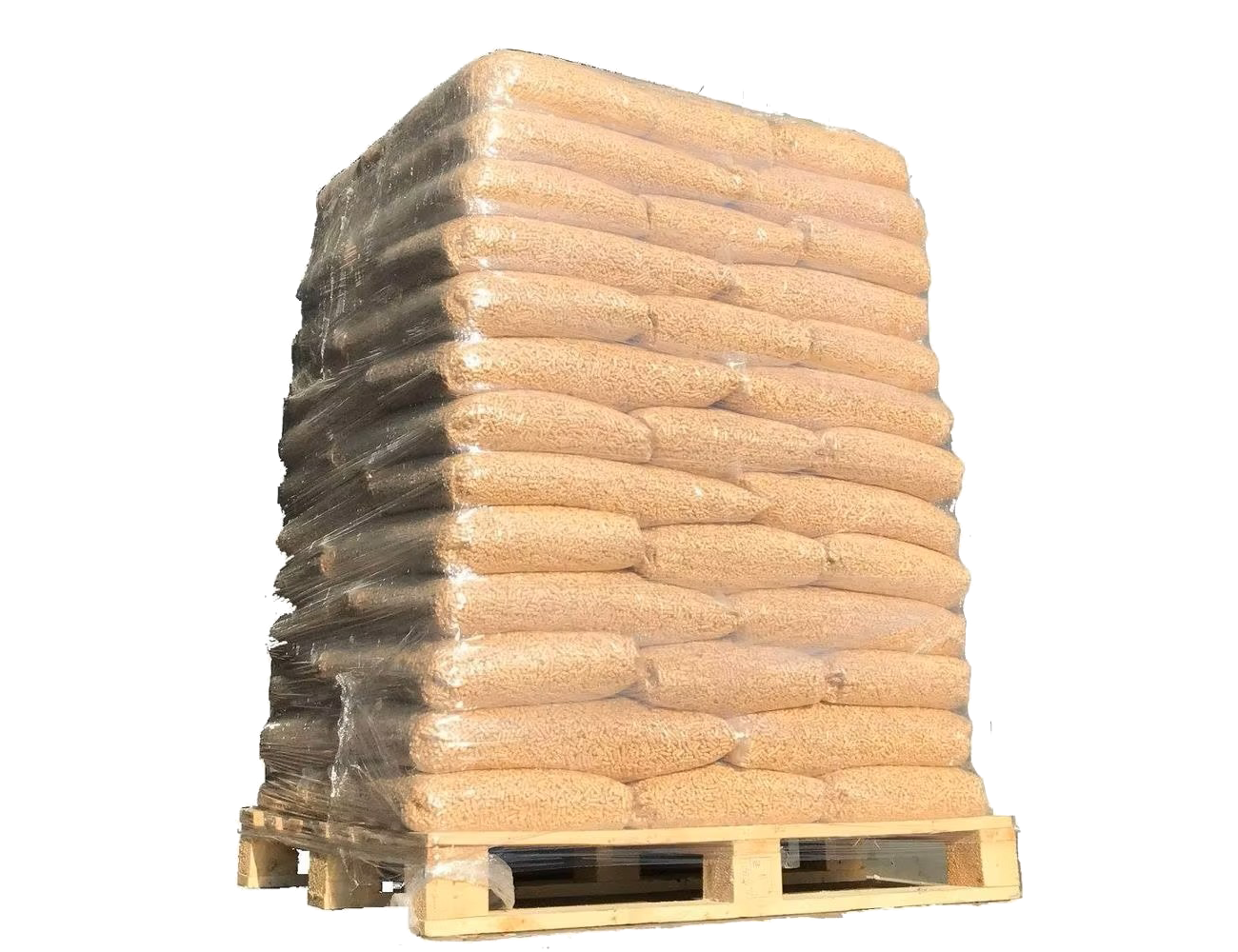
The finished granules are cooled, packed in various packages - from small bags (2-20 kg) to big bags (large industrial packaging) weighing 1 ton - or delivered to the consumer in bulk.
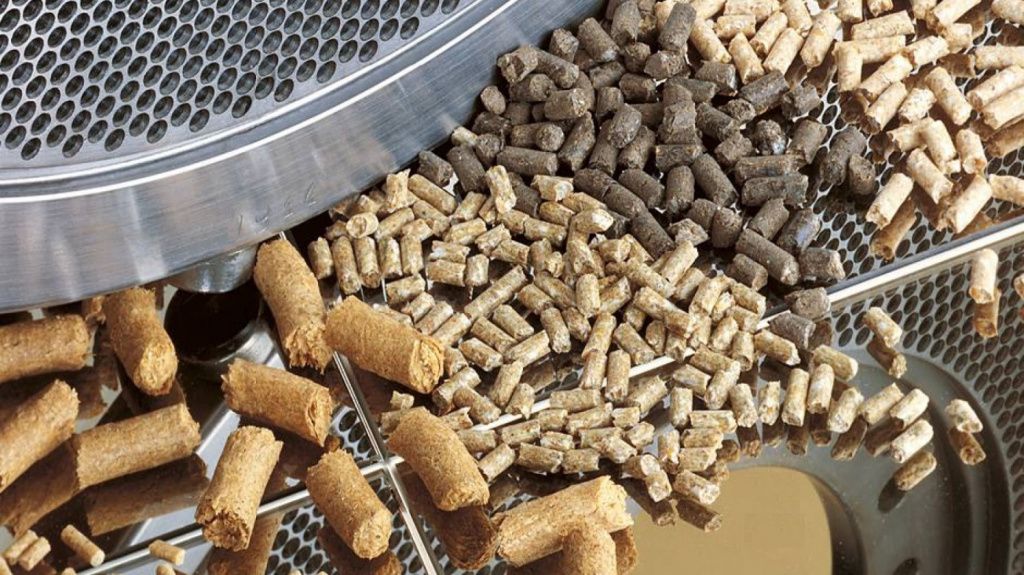
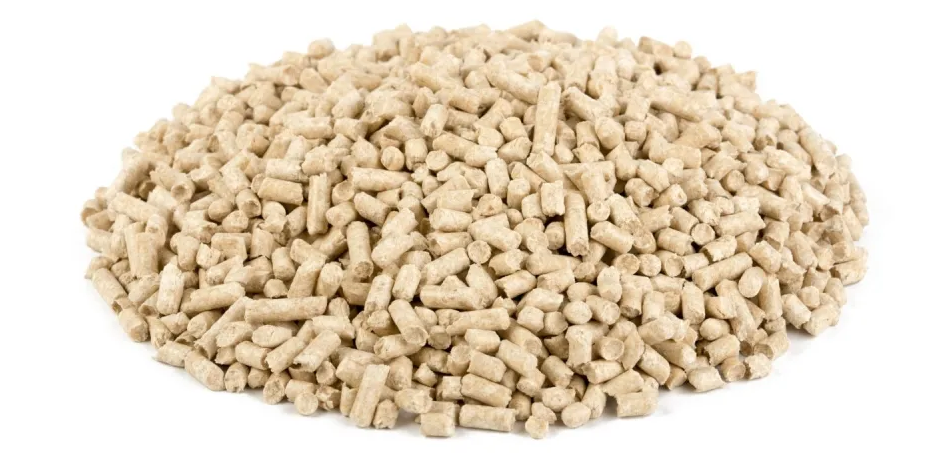
Types of fuel pellets

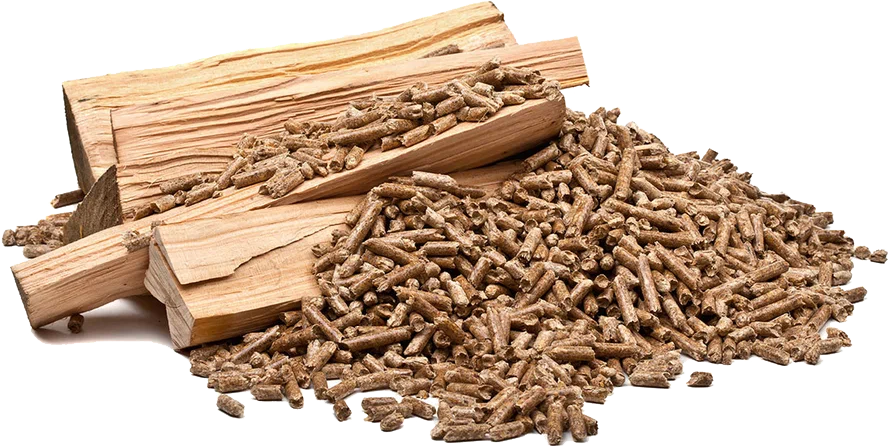
Woody whites

The light-colored product with a pleasant smell is considered to be premium fuel; it has the following characteristics:

  • The raw material is wood waste (pine, oak, ash, birch). The source of sawdust is logging sites, sawmills, as well as woodworking enterprises and carpentry workshops. Sawdust varies in composition and quality, but it is always waste from clean wood.
  • A distinctive feature is the minimum ash content during fuel combustion. The second important characteristic is environmental friendliness, so white pellets are suitable for heating residential buildings.
  • Due to the low ash content, the need to clean the boiler and chimney arises extremely rarely.
  • White pellets are more expensive than other types of granulated product.
Order
Wood industrial (industrial)

Industrial fuel pellets have the following properties:
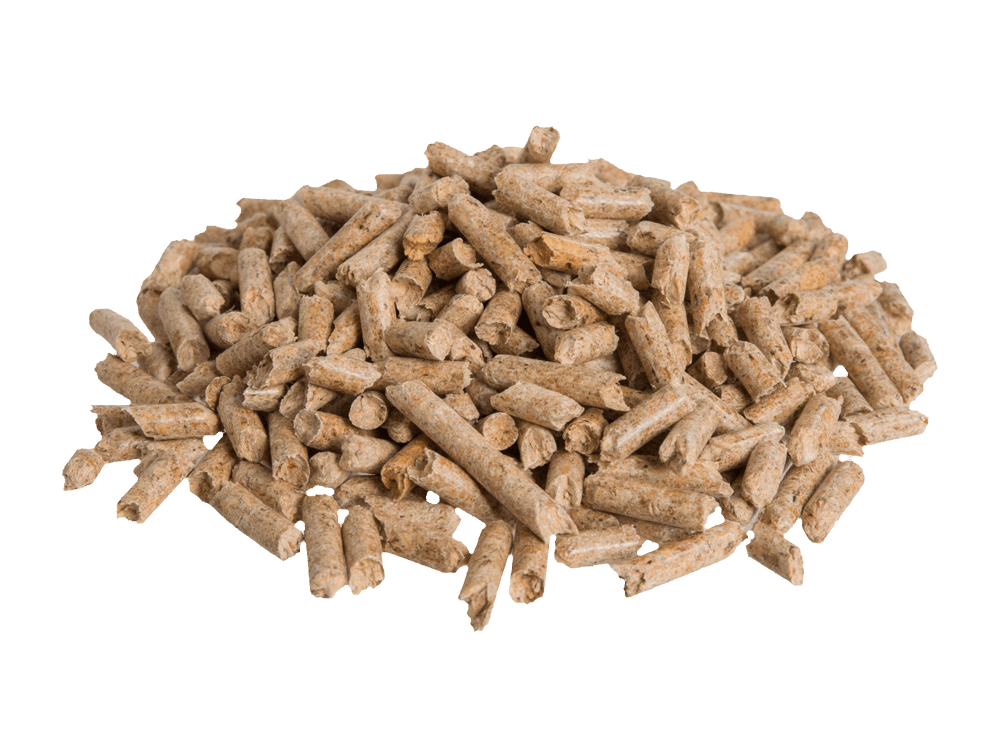
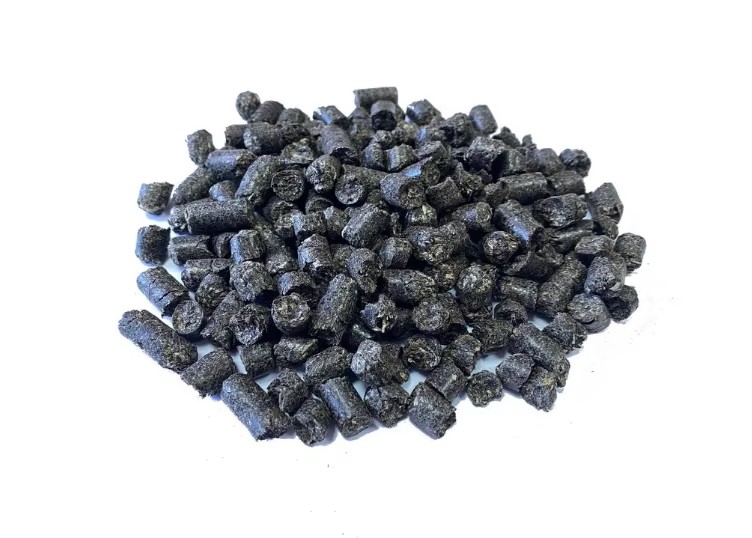
  • The raw material for fuel, in addition to wood processing waste, is bark, which gives it a darker shade.
  • The presence of bark increases ash content.
  • Such fuel pellets are intended for heating large non-residential premises (factories, workshops, warehouses), for heating of which boilers with an automated fuel supply system are used.
  • The cost of industrial granules is lower than white ones.
Order
Agropellets

As the name suggests, these are pellets made from agricultural waste; the fuel has the following characteristics:
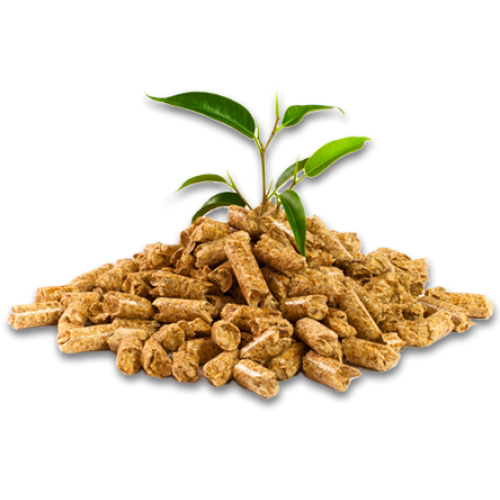
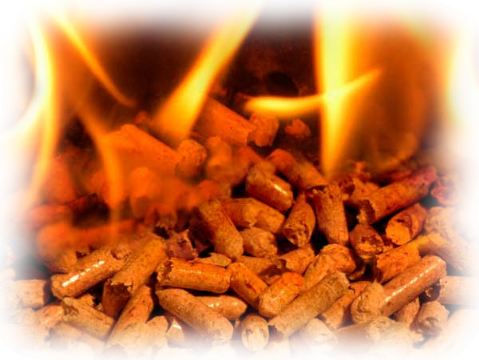
  • The raw materials are straw, grain hulling waste (rye, wheat, buckwheat, oats), sunflower, and even pits (cherry and olive).
  • The quality (ash content) of agropellets depends on the composition of the raw material, which is determined by the mineral composition of the soil on which the crops were grown. Ash content is higher than that of the other two types of fuel.
  • Agropellets are used for heating in large production facilities and non-residential premises. Some types of pellets (for example, from sunflower) have a characteristic aroma and are therefore not suitable for heating homes.
  • High ash content is combined with reduced heat output. This combination of qualities is somewhat compensated by the lower cost of the product.
  • Using agro pellets requires more frequent cleaning of the burner and ash pan, as well as checking of the chimney. To ensure better combustion, it is necessary to reconfigure the boiler control automation.
Order

Features of Fuel Pellets

Eco-friendliness
Environmentally friendly fuel with an ash content of no more than 5%.
High level of heat transfer
Due to the density (it is higher than that of ordinary wood), the heat output from one kilogram of pellets will be higher.
Ease of use
High bulk density facilitates transportation. Almost no dust or debris is formed, which makes it easy to use.
Compactness
The pelletized product is much more compact than firewood: its supply for the heating period will take up an area half as large as firewood.

Advantages

Fuel type
Heat of combustion (MJ/kg)
Caloric content (kcal)
% ash
% sulfur
Coal
15-25
4500-5200
10-35
1-3
Brown coal
14-22
4000-4300
10-35
1-3
Firewood
10
2000
2
0
Peat pellets
18,0
4500-4800
6
0,7
Wood pellets
18,4
4800-5000
2,5
0,1
Peat briquettes
14,9
3200
23
1-3
Natural gas
35-38 MJ/м3
-
0
0

Questiion - Answer

What are pellets and what are they made of?

This is a solid fuel that is made from cleaned, dried and crushed wood raw material, which is granulated using a special device. They are effective, easy to use and 100% natural, and they are becoming increasingly popular due to their cost-effectiveness and environmental friendliness.

Is it possible to burn pellets in a regular wood boiler?

You can heat a regular solid fuel boiler with fuel pellets, as well as a Russian stove, solid fuel stoves (like a "burzhuyka", " Bulerian ", Butakov stove), etc.

How to store pellets ?

Pellets packed in polyethylene bags can be stored in the open air. But it is better to store them on pallets.

Granules by their nature cannot be wet, if they get wet, they turn into the original sawdust. Therefore, if the granules are strong, their humidity is increased from the original 8% by no more than 5%.

How to burn pellets ?

They can be used in any solid fuel equipment, unless the operating instructions prohibit it. The firebox is filled automatically or manually, the granules are ignited, and then all that remains is to monitor the air and refill the load if necessary. As a rule, high-quality fuel does not spark or crackle, since excess moisture has already been removed during the production process.

What is good about low ash content?

The non-combustible residue after burning must be removed from the ash pan in a timely manner to avoid expensive equipment repairs. The less of it, the less often cleaning must be carried out. For good granules, it does not exceed 1% and this ash can be used as plant food and fertilizer for poor soil.

Reviews

Aliya Kulbaeva

We switched to pellets from gas heating and did not regret it! The house became warmer, and the costs decreased significantly.

Erlan Tursunov

Convenient and profitable. Pellets are easy to store and use, and the cost is quite reasonable, especially in winter.

Gulmira Zhanabaeva

We have been using pellets for the second year now, we are happy with their quality and economy. The house is always warm, and caring for the environment is a nice bonus.

Aidar Seydakhmetov

Excellent choice for heating your home! Pellets burn long and evenly, and retain heat better than coal.

Certificates

Get a free consultation

and learn more about our products
  • About Us
  • Products
  • News
  • Scientific activity
  • Contacts
  • ArboliteArbolite
  • PelletsPellets
  • PalletsPallets
  • LiningLining
  • MoldingsMoldings
«Urban Group» LLC
Republic of Kazakhstan,
Almaty city, 050010
Shevchenko st., 29, office 327
+7 (727) 290 59 76
urban_group@bk.ru
© 2026. «Urban Group» LLC. All rights reserved